

A few years ago I acquired my final ZEISS lens I wanted for my collection, Loxia 2.4/85mm. I'm aware that those who are familiar with me and my work are probably remembering that I've owned the Batis 1.8/85mm for many years, therefore why would anyone purchase a slower 85mm lens and a dedicated manual version at that?
The short answer? I don't know. The extended answer? Loxia's give a very unique look that differs from Batis and I've always wanted to try this lens. The ZEISS family of lenses have their own distinct looks within their families. The great thing I love about Loxia's is that they give a look very comparable to that of the flagship Otus lenses but are more compact, lighter lenses (not to mention less expensive). Even wide open they offer beautiful optical quality without the need to stop down to improve their performance.
The Loxia 85mm is the fourth and final of the Loxia lenses I've acquired (there's a 25mm but due to its close proximity to the 21mm I decided it didn't serve me much purpose) and have utilized in a variety of genres just as I do any of my other lenses before reviewing.
As always, my reviews aren't to convince anyone on obtaining a particular lens but to share my personal experience in the field experience the gear I actually own. Yes, I'm a ZEISS ambassador but none of my reviews are read by anyone from ZEISS prior to their posting and are entirely my own opinions, so rest assured this review, and all of the others here aren't influenced by any companies.
At the time of this review this lens retails for $1,449. This is quite steep for a manual lens in 2023 I must admit, especially when the autofocusing Batis 85mm is $200 cheaper brand new and offers a much faster aperture, weather sealing and is a bit lighter. If the work you do doesn't require auto focus then it's certainly a lens that won't disappoint if you can overlook the hefty price!

Shot with Sony Alpha 1
ZEISS Loxia 85mm Specs & Images
- Sony E-Mount (FE - Full Frame lens)
- SONNAR Optical Lens Design
- Aperture Range: f/2.4-f/22
- ZEISS T* Anti-Reflective Coating
- 52mm Diameter Filter Thread
- Metal Construction with rear Weather Seal gasket
- 29 degrees - Angle of View
- 80cm Minimum Focus Distance
- Manual Focus
- 1.31 lbs. (594g) - Weight
I've mentioned before in the Batis 85mm review that an 85mm lens is seen as a “portrait” lens but it can be used for far more than just portraits. The Loxia 85 will take some adjusting to if you've not had any prior experience with a manual lens, especially one of this focal length (longer focal lengths aren't as forgiving as wider ones).
Something to note is that this lens is a Full Frame (FE) lens for Sony’s Mirrorless E-Mount cameras, but it can be used on the cropped APS-C cameras, which will give you a 35mm equivalent focal range of 127.5mm.

Shot with Sony Alpha 1
What I think about the Loxia 85mm
Unlike the other Loxia lenses this one isn't compact but it does share the same 52mm diameter lens thread. This lens is only slightly heavier than the Batis variant (594g vs 475g). Manually focusing this lens is very smooth, as all of the Loxia lenses are. In having that traditional lens build with the depth of field scale and distance measurement engravings make manual focusing easier than with the auto-focusing lenses, which utilize the focus-by-wire system and doesn’t have accurate manual focusing capability (but with Batis and their OLED display it actually works quite well).
Typically, I have a vast variety of genres I photograph with lenses but this time I don't have that many as this isn't a lens I plan to use for many images. For travel the Batis version is more useful to me for the weight and packing lightly. Aside from those things this lens is a flawless lens! Extremely sharp, great reproduction with rich colors and contrast.

Shot with Sony Alpha 1
What is the ZEISS Loxia 85mm good for capturing?
Even though this lens may not be the first choice for most it still holds its own in being a very fine optic that can work well across various applications, but not across as many as the Batis variant however:
- Architecture - Images are sharp from edge to edge, little to no distortion is noticeable from this lens making it a really great choice for architectural imagery. More times than not one is going to be stopped down on aperture or even on a tripod so you won't mind this lens being slower than other 85mm's but will enjoy the quality of the lens for such images.
- Street - Yes, this is slower than the Batis for street but the 2.4 aperture is still faster than most zooms at 2.8 by 1/3rd (a gain is a gain, right?). If you want the full manual experience while using an 85 then this is that lens.
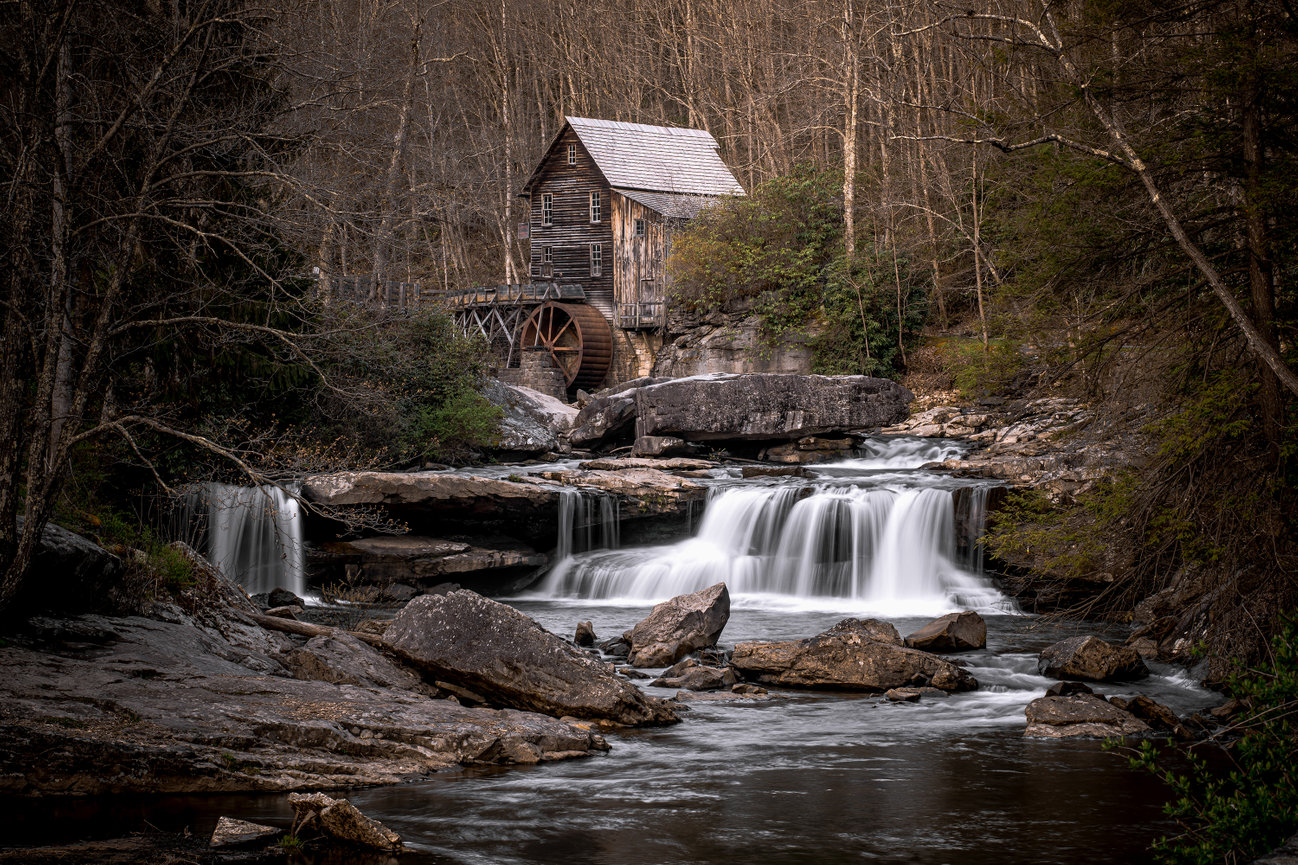
- Landscapes/Cityscapes - Of all the areas I've photographed this lens with this would be at the top of the list for the uses I would have personally for this lens. This is where the Loxia shines above its Batis sibling with its unique crispness and color reproduction.
- Fashion/Lifestyle Portraits - I always reference Loxia lenses as baby Otus' and for portraits they do feel like that. Wide open at 2.4 you obtain very beautiful bokeh and edge to edge sharpness and again that unique Loxia crispness and stunning colors. I'd say at least try this lens once for portraits and see what you think about it afterwards. I think it's one that's quite a sleeper lens choice.

Shot with Sony Alpha 1
What stands out about the Loxia 85mm?
- Manual Focus – The focusing of this lens is very smooth without any play. I’ve paired this lens with the Sony Alpha Alpha 1 and Alpha 9 cameras and it’s been easy to focus these cameras. Being a native lens that means that with your manual focus adjustments the camera with automatically magnify the preview image (if you have your settings enabled to do this) to the point you want, to make sure you’re obtaining a perfectly in focus image. For those new to manual focusing you’ll probably struggle initially but it will become second nature after a few weeks of usage.
- De-Click – This feature of the lens is great for cinematographers who wish to use this lens for filming. You’re able to De-Click the lens for constant fluid aperture movement from this lens.
- Build/Focus Ring - You're obtaining an all-metal design lens. The lens hood is also a metal construction and includes a very tight gasket seal on the rear of the lens when your lens is attached to the camera, making for a gap-less connection with the lens and the flange of the camera. It does have a more rugged feel than the ZEISS Batis lenses (although the Batis lenses are dust and weather sealed lenses, vs that of the Loxia lenses) and feels like what you’re use to utilizing from the other ZEISS lines, such as the Milvus or Classic. These lenses also have a focus ring that’s common to photographers of the ZEISS Classic lenses, with a ridged ring compared to the smooth rings on Otus, Milvus, Batis and even Touit lenses. The lens includes electronic contacts, which allows for EXIF data to be read by the camera.
- Manual Aperture Ring – This isn’t something unique to the Loxia lenses and many others for the Sony E-Mount, including many Sony/ZEISS and Sony G/GM lenses have these manual aperture rings. For most it may take getting use to manually adjusting the aperture more than it will manually adjusting the focus.
- T Coating* - ZEISS lenses are popular for this coating, which reduces lens flare drastically and enhances overall performance of the lens. Whether it’s a filter or lens with this coating you’ll notice the difference from having it vs a lens or filter that doesn’t. It’s always very effective and really brings more contrast to your images. There are times when I do want to have a little bit of lens flare, but the coating of these lenses is so good that it’s sometimes hard to do. The irony!
- Image Quality/Color – Just as with any ZEISS the color and sharpness are great quality, but Loxia's have an even more special look to them that's my favorite along with the Otus lenses. Wide open this lens is very sharp as well.

Shot with Sony Alpha 1
What is there to dislike about the Loxia 85mm?
There's not much to dislike about this lens except the longer barrel compared to other 85mm lenses (especially with the included metal lens hood).
Personally, the f/2.4 aperture is perfectly fine for me, but this can be a negative for most people when again there are cheaper alternatives that are also faster lenses.

Shot with Sony Alpha 1
What about using the Loxia 85mm for video?
Loxia are designed for the hybrid producer. It's great for stills but even greater in video production. The entire Loxia line is designed with the same diameter, making it easier for video production setups. Any lens gears one may use with these lenses will be set identically as Loxia lenses share the same dimensions in width as well.
These lenses also have a de-click feature for the aperture and can be set with the included de-click tool, to allow for smooth operation of the aperture.
In professional cinema productions manual focusing is the standard therefore those coming from that side will feel comfortable with these lenses.

Shot with Sony Alpha 1
Is Loxia needed if I have Batis?
I can’t answer that for everyone, but my thoughts are that it’s a nice compliment to the Batis lenses. Is it needed for most people? No. You’re either going to be someone who’s entirely auto focusing or entirely manual (there may be some like myself who teeter both spectrums).
I wanted the Loxia lenses for several years, but I originally couldn’t justify the price of owning them and having focal lengths that are close to what I already had from my Batis lenses. When I switched brand sponsorship from Sony to ZEISS the opportunity opened itself to obtain the 3 lenses I was interested in in the Loxia’s and not have to spend over $3,000 for them. Presently they’re used more than my Batis lenses. I knew I’d use them, but again I couldn’t justify spending more money than I needed to on lenses.
If your work doesn’t require auto focusing and you don’t own any ZEISS lenses now, then trying Loxia first isn't a bad thing. They’re more compact than the Batis making for a smaller kit to travel with. Remember that the Loxia isn’t weather sealed like the Batis, so if being in the elements are important then you’re 100% going to have to look at Batis for that.
Why the ZEISS Batis 1.8/85mm over Loxia 2.4/85?
- Optical Steady Shot - Longer focal length lenses aren't as forgiving when hand holding and the Batis includes OSS (Optical Steady Shot). This may or may not be important for some in recent years most of the Sony Alpha E-Mount cameras have IBIS (In Body Image Stabilization) making this a moot point but if your camera doesn't have this then know you'd obtain it in the lens with the Batis version.

Shot with Sony Alpha 1
Conclusion: Who is/isn’t this for?
If you can afford the $1,449 price tag for a dedicated manual lens or just want that manual experience then this lens is a great choice for that, but there are numerous 85mm lenses on the market and will be hard to justify for the broader public, especially without auto focusing and a wider aperture than f/2.4.
More Photos
All images featured in this review were photographed with the Sony Alpha 1 and Sony Alpha 9.
Click Here to view the full gallery of images taken with the ZEISS Loxia 2.4/85mm Sonnar.
CLICK HERE TO PURCHASE MY LIGHTROOM & PHOTOSHOP (CAMERA RAW) PRESETS

Shot with Sony Alpha 1

Shot with Sony Alpha 1

Shot with Sony Alpha 1

Shot with Sony Alpha 1

Shot with Sony Alpha 9

Shot with Sony Alpha 9



Leave a comment
5 Comments
Oct 8, 2024, 4:28:49 PM
Kenneth Hines Jr - Well, optically it was a decent lens but suffered from poor focusing. The new version is out which corrects this and is a far superior version to the original.
Oct 8, 2024, 4:25:37 PM
hubert - How do you describe "poor optics" of the Sony 85GM? What is "weak" in that lens?
Apr 8, 2024, 8:13:47 PM
Kenneth Hines Jr - Nope, no comparisons of those. The Sony 85 GM is a very poor optic in dire need of updating, so one that is never utilized by me.
Apr 3, 2024, 5:07:21 PM
HB - Any comparison of SEL85F14GM vs Loxia 85 mm available?
Nov 6, 2023, 11:50:54 AM
Robert - I Think you have wrong of lens. It weight 594g, not 1038g. :-)