

- Check the price of the Carl ZEISS Otus 28mm f/1.4 Apo Distagon on B&H Photo
Recently, I obtained the new flagship camera from Sony, the Alpha 1. I decided to do an assignment for ZEISS, surrounding the Loxia family of lenses. It was thought to be a better pairing if I utilized the flagship lenses of ZEISS, the Otus lenses with the flagship camera of Sony's. I couldn't disagree with that and was glad to finally take out in the field the entire line of Otus lenses.
The Otus 28mm was one of the two Otus lenses I hadn't had any usage of before (the other being the Otus 85mm) and I was eager to utilize this, as this is the widest focal length in this family and certain to be the most utilized during my road trip along the East coast of the United States.
I wanted to obtain as much of a variety of images from this lens as possible, especially visiting places that would really showcase the strength of these lenses. Unlike the majority of the lenses I've reviewed here, that are designed for the Sony Alpha E-mount system, the Otus lenses are designed for the Canon EF and Nikon F-mounts. You can utilize these with the Sony mirrorless cameras, via an adapter. If you're planning to do so then I recommend selecting the Canon EF versions of these lenses and pairing them with the Sigma MC-11 adapter. This will allow for EXIF data to be transferred to the camera, along with electronic operation of the aperture (if you utilize an adapter without electronic controls then you won't be able to adjust the aperture and it will remain wide open at f/1.4).
As this lens is among the flagship of the still camera lenses for ZEISS, this comes with a hefty price tag, of $4,990 USD. That can be a far reach for many photographers, but if you're a working professional and own flagship cameras from Canon, Nikon or Sony, then this lens should be one you consider, if you want the ultimate best image quality you can obtain from your camera.

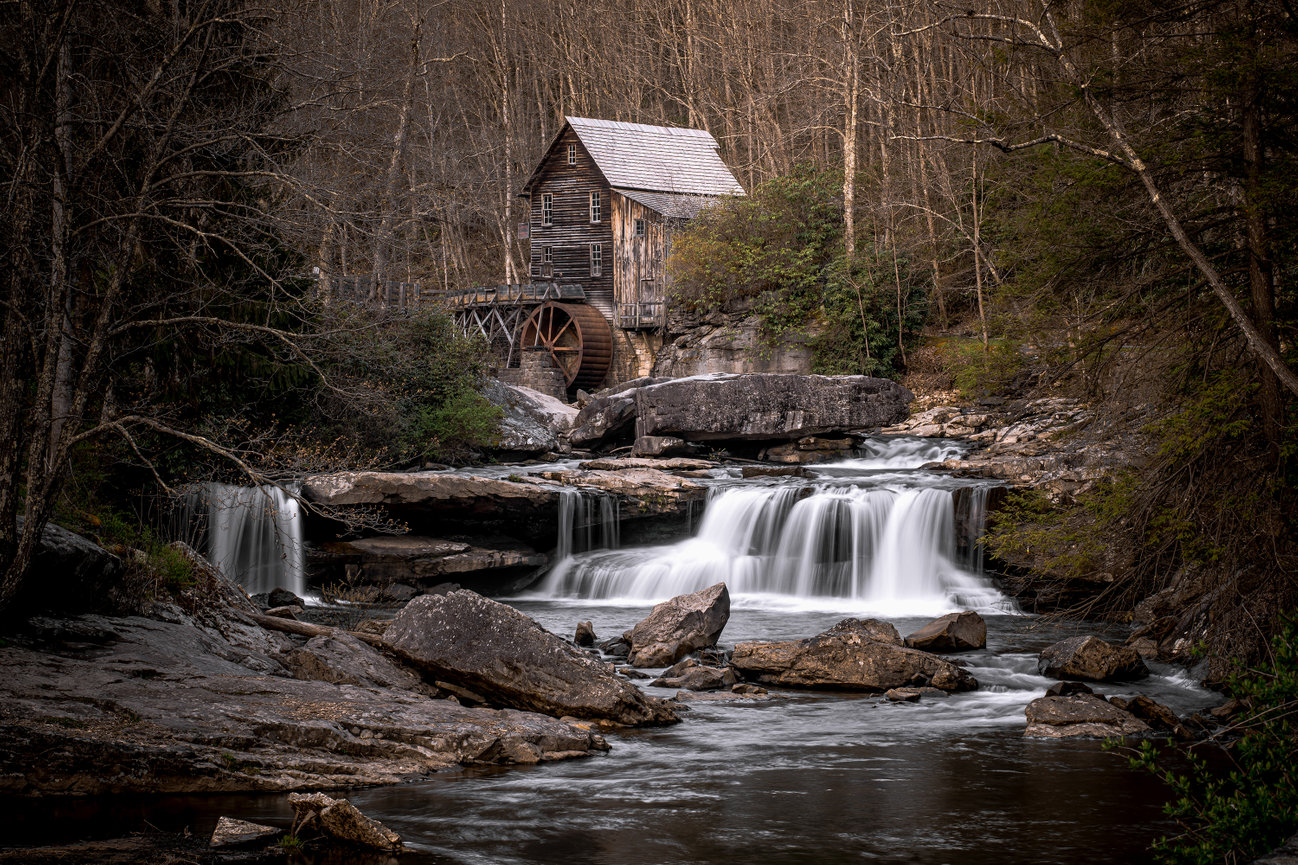
Shot with Sony Alpha 1
ZEISS Otus 28mm Specs
- Canon EF & Nikon F-Mount (Full Frame lens)
- APOCHROMATIC DISTAGON Optical Lens Design
- Aperture Range: f/1.4-f/16
- ZEISS T* Anti-Reflective Coating
- 95mm Diameter Filter Thread
- Metal Construction
- 75 degrees - Angle of View
- 30cm Minimum Focus Distance
- Manual Focus
- 3.06 lbs. (1390g) - Weight
Something to note is that this lens is a Full Frame lens but it can be utilized on cropped APS-H (Canon) and APS-C (Nikon) cameras, which will give you a 35mm equivalent focal range of 44.8mm (Canon) and 42mm (Nikon).

Shot with Sony Alpha 1
What I think about the Otus 28mm
These are optically the best lenses I've ever used in my entire 21 years. I've utilized almost a couple dozen ZEISS lenses in that time frame, but these lenses are even better than what I considered to be the best of ZEISS, such as the Loxia and Batis lenses. They're quite massive lenses in comparison to those families of lenses, but when you take one image you immediately see how these lenses were designed to have a reproduction without any compromises.
What do I mean by no compromises? Otus lenses are designed with one objective. To be the best lens one can produce. This is why these lenses are much larger and heavier than any other ZEISS lens and are all Apochromatic lenses, which have virtually no chromatic aberrations and perform perfectly wide open, without a need to stop down the aperture to increase its performance. You also will notice there's little to no distortion from this lens as well. When I say this lens is VERY good, it's VERY good! It's rather astounding to how amazing the performance of this lens is.
These are manual focusing lenses and just like the other lenses in the ZEISS portfolio, these are incredibly smooth in operation. In having that traditional lens build, with the depth of field scale and meter and feet engravings make manual focusing easier than with the auto-focusing lenses, which utilize the focus-by-wire system and doesn’t have accurate manual focusing capability (with the exception of ZEISS Batis lenses).
This lens is the widest filter thread in the Otus family, at 95mm. If you plan to utilize filters, then you will have to go for these larger filters. For some this can be a hinderance, as the larger the filter thread the more expensive the filters become. I certainly recommend quality filters on a lens like this, with my personal recommendation being Breakthrough Filters.

Shot with Sony Alpha 1
What stands out about the Otus 28mm?
- Apochromatic Lens Design – Otus lenses are all Apochromatic, meaning they have virtually no chromatic aberrations. How true is that? VERY true. You can see in some examples in my full Otus 28mm photo gallery of just how there's now CA in the backlit highlight areas of my images. At $5,000 this certainly is the kind of performance you'd expect and this lens doesn't disappoint. You're obtaining the best of the best. This is absolutely a plus for anyone that wants a lens that doesn't require post processing.
- Manual Focus – The focus throw of this lens is relatively short as well, so you're not turning the focus ring on this lens forever and ever. As this is a mechanical lens you're gaining the distance markers on this lens, which is a must for proper manual usage. This has become a novelty that you don't find on many modern lenses, as they rely on these focus-by-wire systems. For manual usage this kind of system doesn't offer you an accurate experience for manual focusing like these mechanical lenses. You may think that simply owning an autofocusing lens and using it in manual will work just fine, but that's typically not the case. I know there are many who may feel intimidated by manual focusing, but trust me it's easier than you think. Just like anything else it takes practice and most importantly, patience!
- Build/Focus Ring - You're obtaining an all metal design lens. The lens hood is also a metal construction and has a unique yellow color for the letters and numbers on this lens. It's not anything that's distracting, but it is something rather unique for a lens. The focusing ring of this lens is just like what you're familiar with on many of the other family of lenses, such as Batis and Milvus. The focusing ring is incredibly smooth, with just the right amount of resistance as you turn it.
- Manual Aperture Ring (Nikon version) – This isn’t something unique to the Otus lenses and is something you'll find on the Milvus, Loxia, Classic and ZM ZEISS lenses. If you're someone who prefers having this then you will have it for the Nikon version of this lens. The Canon version is controlled electronically.
- T Coating* - ZEISS lenses are popular for this coating, which reduces lens flare drastically and enhances overall performance of the lens. Whether it’s a filter or lens with this coating you’ll notice the difference from having it vs a lens or filter that doesn’t. It’s always very effective and really brings more contrast to your images. There are times when I do want to have a little bit of lens flare, but the coating of these lenses is so good that it’s sometimes hard to do. The irony!
- Image Quality/Color – Just as with any ZEISS the color and sharpness are great quality, but these lenses are that and much more! It's hard to even describe just how detailed and vibrant the images from this lens is! You will be able to see the quality of these lenses with just about any camera, but high resolution cameras, like the Nikon D810 or Sony Alpha 1 will take full advantage of this lens and offer the most stunning images you've ever seen! I should warn you that once you try an Otus lens you might not want to ever part with it. Once you see the possibilities of what your images can look like you would find everything else inferior to this. Grant it, the price may be the factor that brings you back to reality, but I'm certain you'll really think long and hard on it, even with the price!

Shot with Sony Alpha 1
What is there to dislike about the Otus 28mm?
- Weather Sealing - At $5,000 one may assume that this lens has everything, but unfortunately this lens does not offer any weather sealing. This is rather disappointing, as I find this lens to be an exceptional lens for landscape photography, but it's one that is reserved for non inclement weather days. For some this may be the one factor that deters people from considering this lens. If you're one of those then look at the family of lenses below this, Milvus, which are also designed for the Canon EF and Nikon F mounts.
- Size/Weight – As these lenses lack any compromises, which would be taken to produce lenses that are smaller in form and lighter, this lens is a very hefty lens! At nearly 1400 grams it's a heavy lens. If you're not one to want to carry a lot of weight, then you may be someone that will pass on these lenses. If the quality of this lens outweighs (no pun intended) that then you're going to look past this and only see this lens for the stellar performing optics that it is!

What about using the Otus 28mm for video?
You can certainly bet that if these lenses are the best for stills then video will be more of the same. At the end of this blog you'll find a video I recently produced, with the other three lenses in the Otus family and paired them with the new Sony Alpha 1 camera. All of the clips in that video were unedited, that way you can really see the true power of these lenses!
Remember, these are larger and heavier lenses and may not be the best option for certain video setups, but they definitely do deliver some incredible visuals.

Shot with Sony Alpha 1
Is Otus needed if I have other ZEISS lenses?
I've been asked this question quite a lot lately and the real answer is that it depends solely on you and the kind of work you're looking to obtain. I certainly don't expect an amateur or hobbyist to obtain these lenses and really see these being for those who have many of these flagship cameras that are out today, such as the Canon R5, Nikon D810 and Sony Alpha 1 cameras and want to pair their top of the line cameras with lenses that match their quality and capabilities.
If you own any of the other lines, such as Loxia, Milvus or Batis then it's up to you if you just want to add these lenses just to add them, or you're wanting to reserve specific work for these lenses then go right ahead. Optically the other family of lenses are still amazing quality lenses and will do majority of people perfectly fine. As a person who owns almost at least one lens in all of the ZEISS families I can truthfully tell you that you probably won't miss "not" having an Otus lens, but it certainly is nice to have one! Side by side you'll see the strength of this lens to say the Milvus, Batis or Loxia 25mm lenses, but if you're not viewing them that way then you won't really notice.
The one plus to ZEISS is that they have lenses for everyone, across a wide array of lenses and they're good about keeping all of their lines to the best quality they can possibly produce for that specific family. If you want to have close to Otus quality, but maybe without the price tag of the Otus or as much weight and bulk then look at the Milvus lenses. They offer more focal length options, too!

Shot with Sony Alpha 1
Conclusion: Who is/isn’t this for?
If you have a love for manual focusing lenses and have the money to spend or already own top of the line cameras, then $4,990 USD won't matter to you. You may be someone who's commissioned to do a lot of high profile work and may require the best possible gear. This lens should be something you consider for that.
I certainly don't see anyone who's starting out or not generating income from photography obtaining this lens. It's really the pinnacle of lenses and something many look to being able to afford, whether they have a desire to obtain this lens or not. Don't feel like your imagery won't be great without these lenses. The other family of lenses are great to own as well!
More Photos
Click Here to view the full gallery of images taken with the ZEISS Otus 1.4/28mm Apo Distagon.
CLICK HERE TO PURCHASE MY LIGHTROOM & PHOTOSHOP (CAMERA RAW) PRESETS

Shot with Sony Alpha 1

Shot with Sony Alpha 1

Shot with Sony Alpha 1

Shot with Sony Alpha 1

Shot with Sony Alpha 1

Shot with Sony Alpha 1



Leave a comment
2 Comments
Feb 4, 2022, 6:10:22 AM
Kenneth Hines Jr - Thank you so much!
Jan 29, 2022, 3:00:15 AM
Troy Phillips - Wow ! I look at so many 28mm lens photos and so many other fov. The wow is for the richness and contrast fullness of the images . The depth in the colors from this lens gives the images a quality I see from virtually no other lens . Not just the 28mm fov but any fov . I’m sure if I looked at other images from other Otus lenses I’ll see the same quality. Thank you for the reviews and I’m now moving onto other lens reviews you have done .